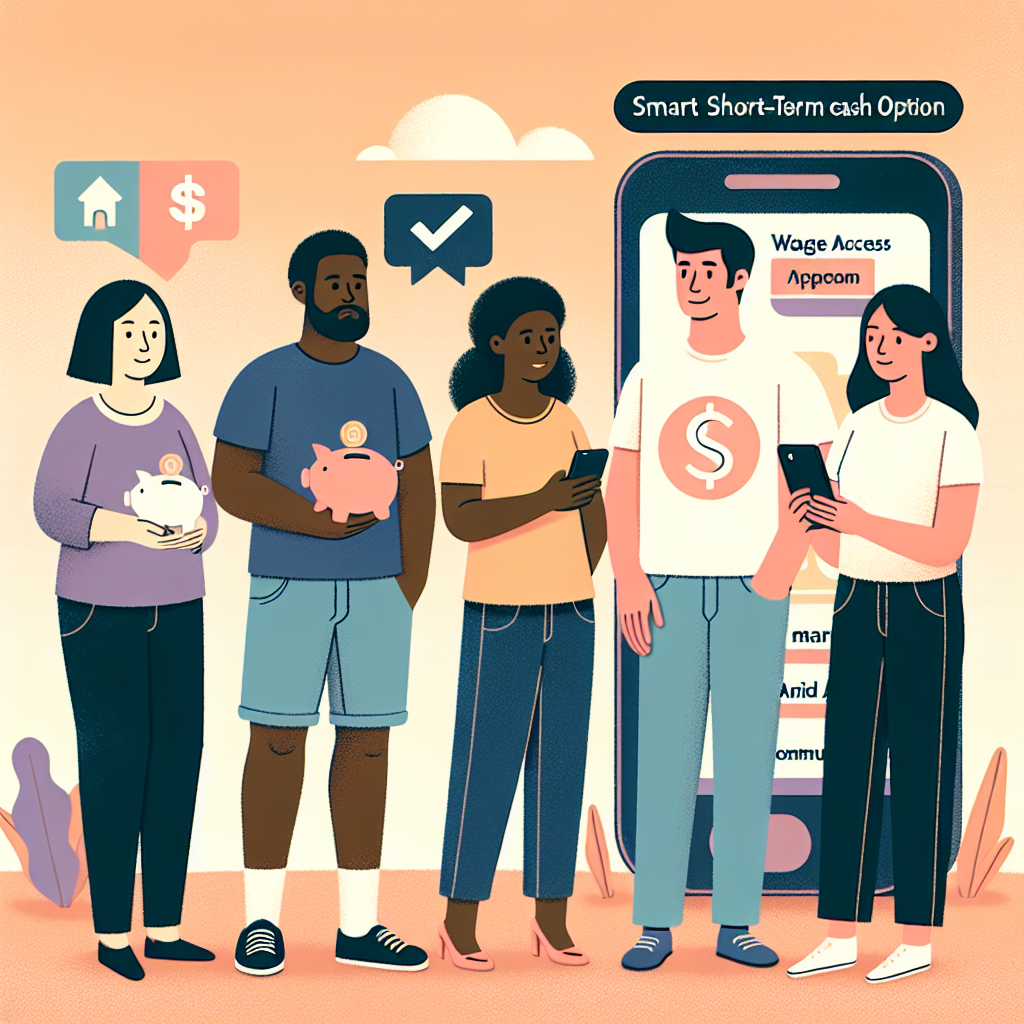
Payday loans can seem like an easy fix when an unexpected bill arrives, but they often come with steep fees and short repayment windows that trap borrowers in cycles of debt. On paydayloan.gratis we aim to give practical, realistic guidance for people who need short-term cash without sacrificing long-term financial health. This article outlines safer alternatives, practical steps to manage immediate needs, and ways to reduce reliance on high-cost credit.
Why payday loans are risky
Payday loans are marketed for speed and convenience, but their structure creates significant risks:
- High effective interest rates: The headline fee can translate into an APR in the triple or quadruple digits when the loan is converted to an annualized rate.
- Short repayment terms: Most require full repayment on your next paycheck, which can be difficult if finances are already tight.
- Rollovers and debt spirals: Borrowers who can’t repay often renew or roll over the loan, incurring additional fees and extending the cycle.
- Limited consumer protections: Depending on jurisdiction, regulation may be weak and recourse limited.
Safer short-term cash options
If you need cash fast, consider these alternatives that are generally safer and cheaper than payday loans:
1. Credit unions and community lenders
Local credit unions often offer small-dollar loans with lower fees and more flexible terms than payday lenders. Membership may require proof of residency, employment, or an affiliation, but the cost savings can be substantial.
2. Short-term personal loans from banks or online lenders
Traditional banks and reputable online lenders may offer small personal loans with fixed payments and clear terms. Compare APRs, fees, and repayment schedules before committing.
3. Employer-based options
Ask your employer about paycheck advances, wage advance programs, or hardship policies. Some companies offer small, interest-free advances or short-term loans with automatic payroll repayment.
4. Earned wage access (EWA)
EWA services let employees access a portion of wages they’ve already earned before payday. Fees tend to be lower than payday loans, and repayment occurs via payroll deduction, reducing default risk.
5. Community assistance and charities
Relief programs, churches, and local charities may provide one-time help for rent, utilities, or groceries. These resources can fill short gaps without incurring debt.
6. Peer or family loans
Borrowing from friends or family can be cost-free or low-cost, but treat it professionally: document terms and set a repayment plan to avoid relationship strain.
Practical short-term budgeting steps
Immediate steps can reduce the need for high-cost borrowing:
- List essential monthly expenses and identify non-essential cuts for 30–60 days.
- Contact creditors to explain temporary hardship; many will offer short-term relief or payment plans.
- Sell or pawn non-essential items as a last-resort, temporary liquidity source.
- Use automated tools or banking alerts to prevent overdrafts and surprise fees.
Building resilience for future shocks
Long-term resilience starts with small, consistent habits. Even minimal progress towards a buffer reduces pressure and avoids expensive credit:
- Automate transfers of a small amount from each paycheck into a separate savings account.
- Prioritize a tiny emergency buffer—$500 or even $250—then scale up to one month of expenses over time.
- Create a prioritized emergency plan listing quick actions and local resources.
For step-by-step guidance on building a short-term reserve, see Building an Emergency Fund: Practical Steps for Short-Term Shocks.
When loan renewal or extension comes up
Renewing a short-term loan can feel like the only option if you can’t meet a due date, but it has trade-offs. Before extending or rolling over a loan, weigh the added fees against actual repayment capability. For a detailed look at the pros and cons, consult Renewing Short-Term Loans: Pros and Cons Every Borrower Needs.
How to evaluate a lender or program
Use this checklist before agreeing to any short-term credit:
- Ask for the full cost expressed as APR and total repayment amount.
- Confirm repayment mechanics—are payments automatic? Will there be penalties for early repayment?
- Check for transparent customer service contacts and complaint resolution processes.
- Search for credible reviews, regulatory actions, and third-party endorsements.
Where to get trustworthy education and support
Financial literacy is a long-term defense against predatory credit. Look for reputable training and community resources: workshops, clinics, and online channels. Business owners who need training on financing and sustainable growth can benefit from business seminars on financing, loans and growth strategies to learn about responsible borrowing and capital planning.
For on-demand lessons and approachable videos, check a dedicated financial education YouTube channel which offers short modules on budgeting, credit management, and smarter borrowing choices.
Quick decision checklist before taking any short-term loan
- Can I delay or reduce the expense? (Negotiate bills, choose cheaper alternatives.)
- Have I exhausted lower-cost options? (Credit union, employer, community aid.)
- Do I understand the full cost and repayment timeline?
- Can I commit to a specific repayment plan? If not, avoid high-fee lenders.
Final thoughts
Emergencies happen to everyone. Choosing the safest, most transparent route to short-term cash preserves both your finances and peace of mind. Use alternatives to payday loans when possible, create a short emergency buffer, and lean on community or employer resources. If you face a renewal decision or need help building a reserve, the linked guides and resources above are practical next steps. At paydayloan.gratis we focus on helping you find solutions that protect your future while solving today’s needs.