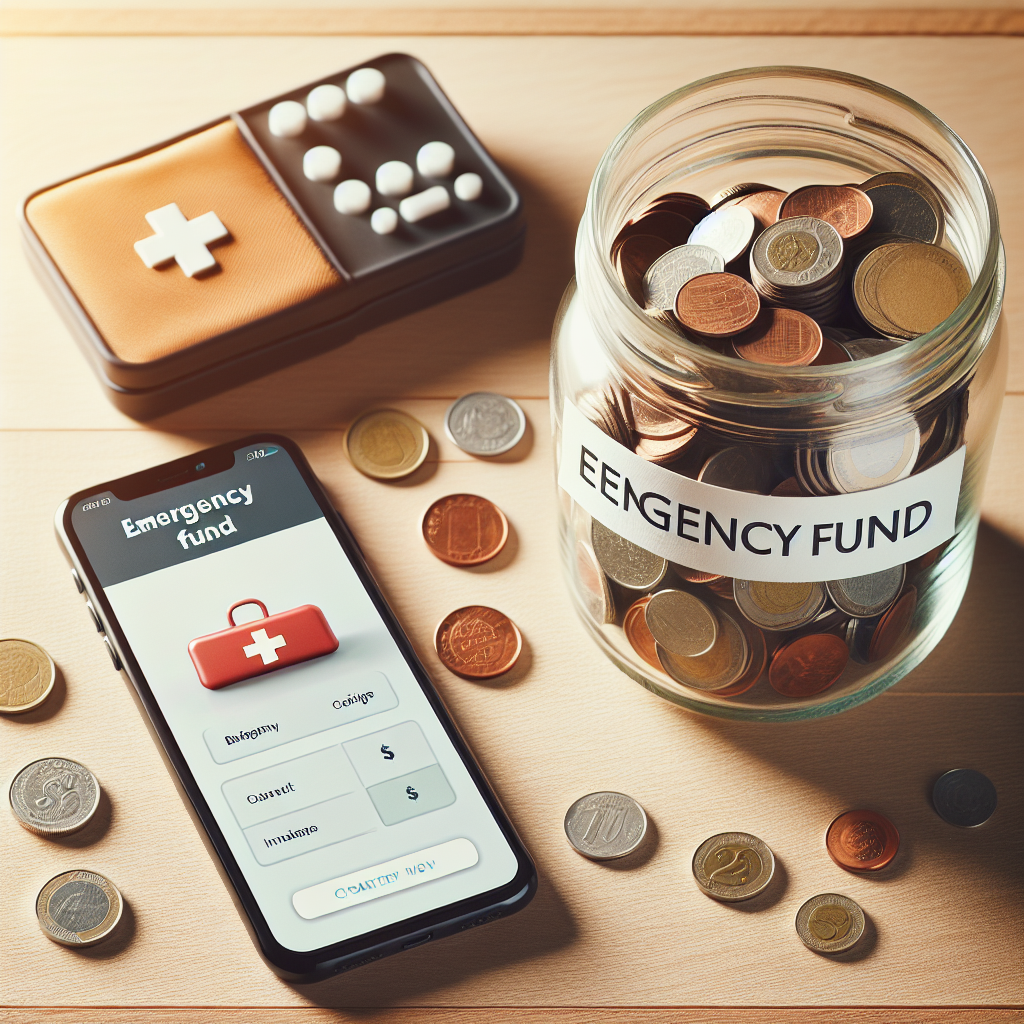
Why an emergency fund matters for paydayloan.gratis readers
Unexpected expenses — a car breakdown, sudden medical bill, or an unpaid rent notice — can push people toward high-cost short-term credit. At paydayloan.gratis, we focus on practical, realistic emergency-fund strategies that reduce reliance on predatory lending and increase financial resilience for households on tight budgets.
Set clear, realistic goals
Start with a target that fits your situation. Instead of a one-size-fits-all rule, break goals into three tiers:
- Mini buffer: $500–$1,000 for immediate small emergencies.
- Short-term fund: One month of essential expenses to avoid short-term loans.
- Full emergency cushion: Three months of essential costs for larger disruptions.
Use a simple budget to determine what “essential” means for your household: rent, utilities, groceries, insurance, and minimum loan payments.
Practical saving tactics
Automate the habit
Automate transfers to a separate savings account on payday. Even small, regular contributions compound psychologically and practically, making it less likely you’ll reach for a short-term loan when a shock occurs.
Split your emergency fund
Keep money in two places: one ultra-liquid account (a savings account or money market that you can access without penalties) and a tiny portion in a very short-term instrument that earns a bit more interest but remains accessible. This preserves liquidity without complacency.
Reduce friction with round-ups and apps
Micro-savings tools that round up purchases or transfer spare change into savings can add up quickly. If you use a budgeting app or bank tool, set rules like “round up every purchase to the next dollar” to feed your emergency fund without feeling pain.
When alternatives are better than payday loans
Short-term loans are tempting for immediate needs, but they often come with extremely high fees and rollover traps. Before borrowing, consider:
- Local credit unions or small-dollar installment loans with transparent terms.
- Asking a trusted friend or family member for a low-or-no-interest bridge loan.
- Negotiating payment plans with service providers (medical providers, utilities, landlords).
If you are evaluating whether to extend or renew a short-term loan, read the tradeoffs carefully. For an in-depth look at the risks and benefits of extending short-term credit, see Renewing Short-Term Loans: Pros and Cons Every Borrower Needs.
Leverage public assistance and community resources
Government programs and nonprofit services can be essential safety nets during housing or income crises. Some programs provide rental assistance, utility support, or one-time emergency grants that eliminate the need for high-cost borrowing.
Explore how broader policy and programmatic solutions can reduce dependence on payday products in the long term by reading about structural assistance options here: How Government Programs Can Reduce Reliance on Payday Loans Safely.
For renters facing an eviction risk, federal and state rental support initiatives can be lifesaving. A primary resource describing these efforts is the Emergency Rental Assistance Program, which details eligibility and how rental aid is delivered in many places.
Food security, community resilience, and practical measures
Food costs and access can be a major source of financial stress. Community solutions — food co-ops, shared gardens, and local food traditions — can reduce vulnerability and foster resilience. To see how cultural practices connect food, local economy, and resilience, read this account of food history and culture: history of Folkets Mat and Norwegian food culture. Translating local resilience strategies into personal action can free up budget room for savings.
Practical emergency-fund building plan (12-week starter)
- Week 1: Open a dedicated savings account and automate a small transfer from each paycheck.
- Week 2–4: Trim two discretionary expenses and redirect that money into the fund.
- Week 5–8: Use side gigs or one-time sales of items to add a lump sum to the account.
- Week 9–12: Reassess budget; aim to reach the mini buffer. If reached, set next milestone: one month of essentials.
Mindset, discipline, and practical tips
Saving is a behavioral challenge as much as a financial one. Use these habits:
- Label the account clearly (e.g., “Emergency Only”) to reduce temptation.
- Celebrate milestones — small victories build momentum.
- Keep access simple but not immediate: avoid keeping the fund in your everyday checking to prevent impulse spending.
- Review your emergency plan annually or after any major life change (job change, new child, relocation).
When to consider a loan and how to choose wisely
Even with strong planning, there may be true emergencies where borrowing is necessary. If so, compare total cost, repayment terms, and alternatives. Prefer installment loans with fixed payments and transparent APRs over rollovers and pay-later schemes with hidden fees. Use community resources and assistance programs first whenever possible.
Final thoughts
Building an emergency fund is less about hitting an arbitrary number and more about creating reliable habits, using available assistance, and reducing dependence on high-cost credit. Combine automatic saving, community supports, and careful borrowing choices to build a resilient financial foundation that protects you from short-term shocks and the worst traps of payday lending.