Introduction
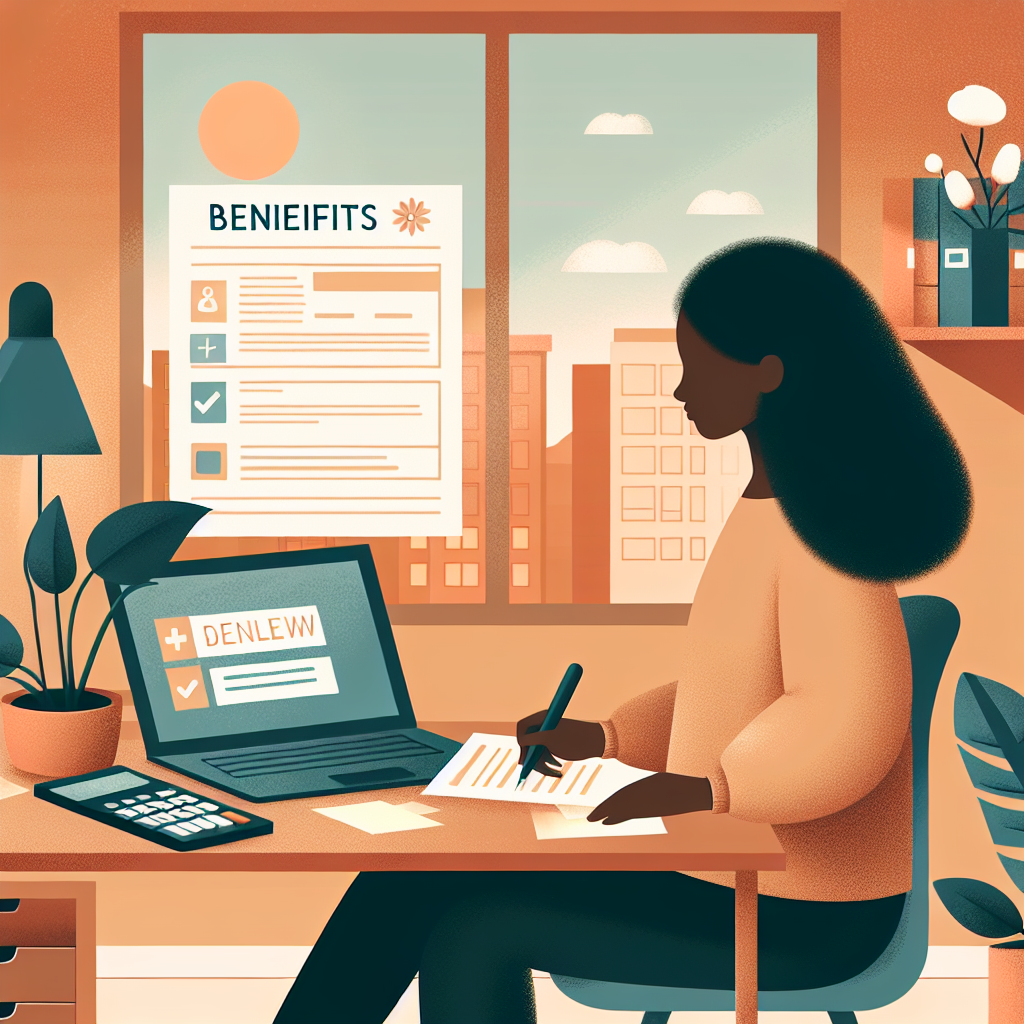
Many people who visit paydayloan.gratis are looking for quick cash solutions to bridge short-term gaps. While short-term loans can provide immediate relief, they often come with high costs and risk cycles of repeated borrowing. Government programs can offer safer alternatives and supports that reduce the need for payday loans. This article explains practical ways to access those supports, how they interact with short-term credit, and steps you can take to protect your finances.
Why government programs matter for people using short-term credit
Government programs are designed to provide stability during unexpected life events: job loss, medical bills, caring for family members, or temporary income shortfalls. Unlike payday loans, many programs offer low- or no-cost help that doesn’t compound debt. Accessing benefits can free up monthly cash flow, helping borrowers avoid high-interest rollovers or repeat borrowing.
Common types of government help
- Income supports (unemployment insurance, temporary assistance)
- Food assistance and nutrition programs
- Housing aid, rent subsidies, and eviction prevention
- Healthcare coverage and medical cost assistance
- Childcare support and family services
How to find programs you may qualify for
Start with an official benefits portal to identify programs in your area. The federal benefits site compiles federal and state options in one place; you can find government benefits and see eligibility guidance and application steps. Local community action agencies, libraries, and non-profit financial counselors can also help you navigate applications.
Practical application tips
- Gather documentation up front: ID, proof of income, address, and household details.
- Use official portals or in-person service centers to avoid scams.
- Ask about expedited or emergency assistance options if you face imminent hardship.
- Keep copies of applications and communication records.
How government programs compare to payday loans
Understanding the trade-offs helps you choose the right route:
- Cost: Many government programs are free or subsidized; payday loans charge fees and high APRs.
- Duration: Benefits often provide sustained relief or work toward longer-term stability, while payday loans are typically short-term and require repayment at the next payday.
- Credit impact: Accessing benefits does not directly harm credit; missed short-term loan payments can lead to collections and elevated risk of recurring borrowing.
- Eligibility: Government supports have rules and income tests; payday loans generally have fewer eligibility requirements but at a high financial cost.
Coordinating government help with other safer alternatives
Government programs are part of a broader toolkit. Consider bundling supports and safer credit options to reduce reliance on high-cost lenders:
- Apply for relevant government benefits to stabilize income and expenses.
- Explore community-based programs and charities for one-time emergency funds.
- Consider small-dollar loans from credit unions or banks that follow responsible-lending practices; these often have lower fees and clearer repayment terms.
If you want a deeper look at how loan renewals and continuations affect borrowers, our analysis of Renewing Short-Term Loans: Pros and Cons Every Borrower Needs explains the financial trade-offs involved in rolling over or renewing short-term loans, and when alternative supports may be a better choice.
Budgeting, emergency planning, and financial resilience
Longer-term resilience reduces the chance you’ll need short-term credit. Build simple financial safeguards:
- Create a basic emergency budget that identifies essential expenses first.
- Set up an emergency fund—even a small buffer can break the payday loan cycle.
- Use direct assistance from benefits to cover recurring needs like food and healthcare, freeing cash for savings.
Smart day-to-day practices
- Automate small regular savings transfers when possible.
- Track expenses weekly to catch creeping costs early.
- Negotiate bills and ask service providers about hardship plans when income dips.
Community and non-financial supports that matter
Some supports are practical rather than purely financial. For example, if you need to travel for work or family reasons, proper preparation can avoid unexpected expenses. Learn tips on how to organize a roof box for long trips to reduce travel surprises and packing-related costs, which can otherwise force emergency borrowing: organize a roof box for long trips. Likewise, community centers and local non-profits often provide targeted services—meal programs, job training, or transit assistance—that lower everyday expenses.
When government programs can’t fully cover a gap
There are times when benefits or community supports do not fully cover an immediate cash shortfall. In those cases:
- Prioritize low-cost credit options like small loans from credit unions or emergency assistance funds from churches or local charities.
- Avoid rolling over high-cost short-term loans; review the implications in Smart Personal Loan Choices: Compare Rates, Terms, and Alternatives to identify safer borrowing options and negotiation strategies.
- Contact creditors to request short-term relief or modified payment plans before borrowing again.
Next steps: a checklist to reduce payday loan dependence
- Check eligibility and apply for all benefits that apply to you via official sources like find government benefits.
- Contact local non-profits and community action agencies for emergency aid and counseling.
- Review safer credit options and read guidance on short-term loan renewals and personal loan comparisons through trusted resources linked above.
- Create a basic emergency plan and small savings target to build a buffer over time.
Conclusion
Government programs are a vital resource for people trying to avoid the high costs and risks of payday loans. By combining official benefits, local supports, safer credit options, and thoughtful budgeting, you can build a more stable financial path. Use the authoritative resources and guides linked in this article to explore your options and make choices that protect your credit and long-term financial health.